
Lisa M. Gomez
Benefits and Policy Strategy for the People Who Want to Make the System Work Better for Workers
Help for advocates, unions, employers, attorneys, policymakers, benefits leaders, service providers, and workers from someone who governed the system at the highest levels and spent decades committed to that same goal.
- Keep a former top federal regulator in your corner.
- Pressure test decisions, launches, or challenges against law, policy, and real-world constraints.
- Find out where benefits are falling short for the workers who need them and develop solutions that better serve them.
You shape and champion systems that work as hard as the people they are meant to support. Former Assistant Secretary of Labor Lisa M. Gomez can help.

Benefits and Policy Strategy for the People Who Want to Make the System Work Better for Workers
Help for advocates, unions, employers, attorneys, policymakers, benefits leaders, service providers, and workers from someone who governed the system at the highest levels and spent decades committed to that same goal.
- Keep a former top federal regulator in your corner
- Pressure test decisions, launches, or challenges against law, policy, and real-world constraints
- Find out where benefits are falling short for the workers who need them and develop solutions that better serve them.
You help shape and championare responsible for creating and backing systems that work as hard as the people they are meant to support. Former Assistant Secretary of Labor Lisa M. Gomez can help.
Featured In












Workforce Strategy and Policy Matters
You may be trying to move a retirement policy issue forward, navigate a benefits question with real stakeholder tension, respond to regulators, advocate for an underserved community or protected class, or approach a third-party administrator or insurance carrier with specific questions.
What the law requires, what the system can realistically deliver, what the regulators think, and what workers actually experience can often feel at odds.
That is where Lisa helps. She brings deep experience and a perspective shaped by government, law, labor, and the private sector along with a collaborative approach that helps so you pressure-test the issue, understand the stakes from multiple sides, and find a path forward that is practical, credible, and worth standing behind.

“Benefits policy breaks down when complex issues are treated as simple either-or choices.”
Who does Lisa help?
Worker and Participant Advocates
The people most affected by benefits policies do not always have the information, access, or influence needed to shape them. Lisa helps worker and participant advocates, consumer organizations, nonprofits, and coalitions identify where systems are falling short, understand the legal and policy landscape, elevate lived experience, and advance credible solutions that deliver meaningful protections in practice.
Employers and Plan Sponsors
Benefits decisions are carrying more legal, financial, and reputational risk than ever. Lisa helps employers, plan sponsors, administrators, and leadership teams strengthen governance, understand the legislative and regulatory landscape, ask better questions, evaluate whether benefits are working in practice, and make decisions they can explain with confidence so they can do their best for the workers and their families who depend on those decisions.
Benefits Professionals and Service Providers
Lisa helps advisors, consultants, vendors, administrators, professional organizations, advocacy groups, and others in the employee benefits community understand the regulatory landscape, bring new ideas into focus, test what will work in practice, and turn promising concepts into practical next steps that produce meaningful outcomes.
Event Organizers
Audiences need more than another technical explanation of the rules. Lisa pairs deep legal and regulatory expertise with genuine approachability at conferences, leadership retreats, trustee education programs, board and committee trainings, professional associations, labor gatherings, workplace events, and policy forums. She inspires audiences because she truly cares about creating better workspaces, and she knows how to turn complex issues into practical next steps.
Almost no one brings Lisa’s combination of experience: the perspective of a presidentially appointed, Senate-confirmed agency head; nearly three decades advising workers, unions, employers, and plan fiduciaries; and a candid, practical understanding of how policy works — and what really happens behind the scenes in government.
Labor Organizations
Workers are relying on benefits and protections that are often difficult to understand, access, or trust. Lisa helps labor organizations, and multiemployer plan trustees and professionals connect policy, fiduciary responsibility, and lived worker experience so they can advocate more effectively and lead with credibility.
Independent Fiduciaries and Professional Trustees
Lisa serves as an independent fiduciary and professional trustee for organizations seeking experienced, impartial judgment and strong governance. Drawing on decades of experience in benefits law, labor, and government, she helps navigate complex decisions, manage competing considerations, and step in as necessary to oversee transactions or more extensive engagements, remaining focused on the interests of the workers and participants she serves.
Attorneys and Workers Seeking Accountability
Lisa serves as an expert witness and trusted resource for attorneys, including both those representing workers, plan participants, and others who have been denied benefits, treated unfairly, or failed by the systems intended to protect them, and high-road plan sponsors, fiduciaries and service providers who need to explain and defend their processes and decisions. She helps legal teams understand the regulatory and operational context, evaluate whether accepted standards were followed, and explain complicated issues with clarity and credibility.
Mediation and Arbitration
Lisa brings legal expertise, sound judgment, and an understanding of the perspectives that shape benefits and workplace disputes. As a mediator or arbitrator, she helps parties clarify the issues, assess the practical and legal stakes, and move toward fair, credible, and durable resolutions.
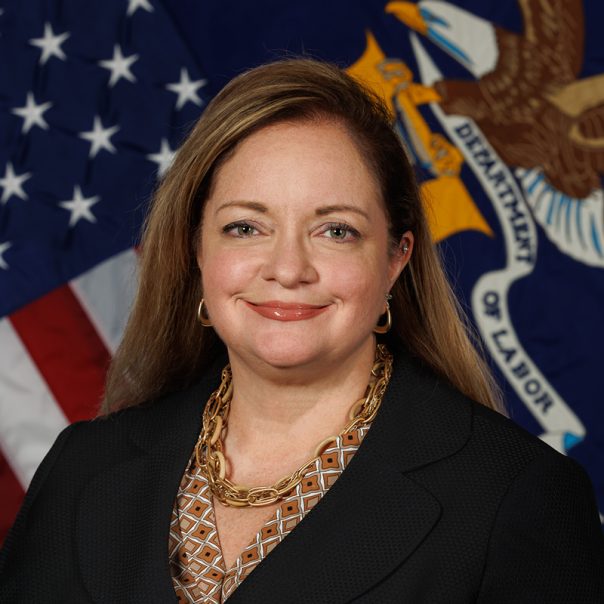
Lisa M. Gomez, former Assistant Secretary of Labor for Employee Benefits Security. Official U.S. Department of Labor portrait. The Department of Labor does not endorse LMG Collaborative Consulting Solutions LLC.
Frequently Asked Questions About Benefits, Labor, and Fiduciary Issues
Q: How do I approach the Department of Labor’s Employee Benefits Security Administration (EBSA) or handle questions involving issues related to EBSA?
A: Start by finding out what EBSA is likely to be focused on in your situation, what information they may expect, and how your issue fits within existing guidance or enforcement priorities. It helps to be clear, well-documented, and prepared to explain both the facts and the reasoning behind your approach. Thoughtful preparation can make interactions with EBSA more productive.
Lisa can help you anticipate the questions regulators and investigators may ask and provide insight and advice on how to approach the agency with a clearer understanding of how EBSA and the Department work in practice.
Q: What should employers or plan sponsors do when a benefits issue becomes complex?
A: When a benefits issue escalates, the first step is to slow down and take a breath, if you can. Next, start gathering the information you will likely need:
- Organize key plan documents
- Review governance and fiduciary processes
- Ensure that decisions and oversight activities are clearly noted
- Identify potential areas of risk
- Confirm that vendor relationships and service agreements are clear and documented
- Prepare to respond to information requests in a timely and consistent manner
In many cases, organizations may benefit from guidance from an outside consultant who understands both plan operations and how regulators work and can provide an outside perspective as to how your decisions and process may be viewed.
Q: How do we move a benefits issue forward when the system feels stuck?
A: You might feel stuck in the benefits machine if you are having trouble getting a response from EBSA, stakeholders are ignoring the issue, or you are not sure what kind of partner, regulator, advocate, or decision-maker can help move it forward.
Lisa can point you in the right direction by helping you identify the core problem, build a case for change, and make connections with both regulators and the private sector to help you move the system forward.
Q: How do we advance access to coverage for mental health care or other benefits protections?
A: Mental health treatments and coverage have come a long way, but there are still plenty of people that need help. Further progress requires both new ideas and ensuring that workers can meaningfully access the benefits already in place. Lisa can help:
- Identify where workers, providers, and plan sponsors are getting stuck
- Explain what the law requires, and what it does not solve on its own
- Build a credible case for change
- Connect goals to the legal, regulatory, and operational realities that shape access
An outside advisor like Lisa M. Gomez can bring employers, plans, advocates, providers, stakeholders and policymakers into the same conversation and help translate shared goals into practical action.
Q: When should we bring in an outside benefits strategy and policy advisor?
A: An outside advisor can add value whenever you would benefit from an experienced, independent perspective – whether it is navigating a significant decision, anticipating what is ahead, strengthening existing practices, or developing a new idea. This may include situations where:
- A decision carries significant legal, financial, operational, or reputational implications
- Stakeholders bring different perspectives or priorities
- An organization wants to pressure-test its thinking or identify issues it may not have considered
- A team needs help turning a complex issue or promising idea into a workable strategy
- Fiduciary roles are unclear
- A matter would benefit from an independent, credible voice
Outside guidance can also support governance and fiduciary reviews, trustee and leadership education, vendor selection and oversight, legislative and regulatory engagement, product and policy development, organizational change, audits and investigations, dispute prevention, and emerging issues affecting benefits and the workforce.
Q: How do I approach the Department of Labor’s Employee Benefits Security Administration (EBSA) or handle questions involving issues related to EBSA?
A: Start by finding out what EBSA is likely to be focused on in your situation, what information they may expect, and how your issue fits within existing guidance or enforcement priorities. It helps to be clear, well-documented, and prepared to explain both the facts and the reasoning behind your approach. Thoughtful preparation can make interactions with EBSA more productive.
Lisa can help you anticipate the questions regulators and investigators may ask and provide insight and advice on how to approach the agency with a clearer understanding of how EBSA and the Department work in practice.
Q: What should employers or plan sponsors do when a benefits issue becomes complex?
A: When a benefits issue escalates, the first step is to slow down and take a breath, if you can.
Begin by:
- Organizing key plan documents
- Reviewing governance and fiduciary processes
- Ensuring that decisions and oversight activities are clearly noted
- Identify potential areas of risk
- Confirm that vendor relationships and service agreements are clear and documented
- Prepare to respond to information requests in a timely and consistent manner
In many cases, organizations may benefit from guidance from an outside consultant who understands both plan operations and how regulators work and can provide an outside perspective as to how your decisions and process may be viewed.
Q: How do we move a benefits issue forward when the system feels stuck?
A: You might feel stuck in the benefits machine if you are having trouble getting a response from EBSA, stakeholders are ignoring the issue, or you are not sure what kind of partner, regulator, advocate, or decision-maker can help move it forward.
Lisa can point you in the right direction by helping identify the core problem, helping you build a case for change, and making connections with both regulators and the private sector where it makes sense.
Q: How do we advance access to coverage for mental health care or other benefits protections?
A: Mental health treatments and coverage have come a long way, but there are still plenty of people that need help. Further progress requires both new ideas and ensuring that workers can meaningfully access the benefits already in place. Lisa can help:
- Identify where workers, providers, and plan sponsors are getting stuck
- Explain what the law requires, and what it does not solve on its own
- Build a credible case for change
- Connect goals to the legal, regulatory, and operational realities that shape access
An outside advisor like Lisa M. Gomez can bring employers, plans, advocates, providers, stakeholders and policymakers into the same conversation and help translate shared goals into practical action.
Q: When should we bring in an outside benefits strategy and policy advisor?
A: An outside advisor can add value whenever you would benefit from an experienced, independent perspective – whether it is navigating a significant decision, anticipating what is ahead, strengthening existing practices, or developing a new idea. This may include situations where:
- A decision carries significant legal, financial, operational, or reputational implications
- Stakeholders bring different perspectives or priorities.
- An organization wants to pressure-test its thinking or identify issues it may not have considered.
- A team needs help turning a complex issue or promising idea into a workable strategy.
- Fiduciary roles are unclear
- A matter would benefit from an independent, credible voice.
Outside guidance can also support governance and fiduciary reviews, trustee and leadership education, vendor selection and oversight, legislative and regulatory engagement, product and policy development, organizational change, audits and investigations, dispute prevention, and emerging issues affecting benefits and the workforce.